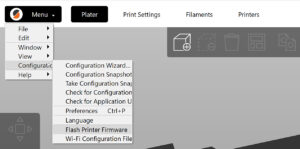
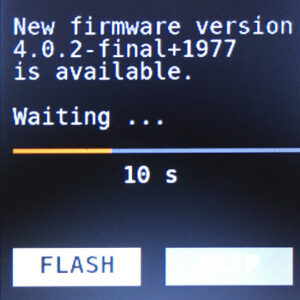
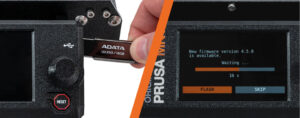
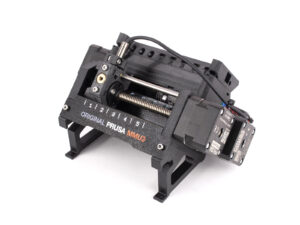
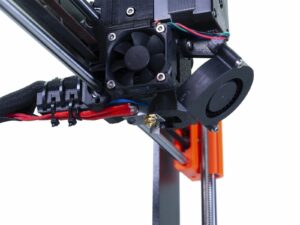
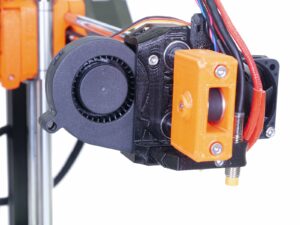
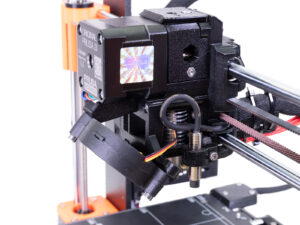
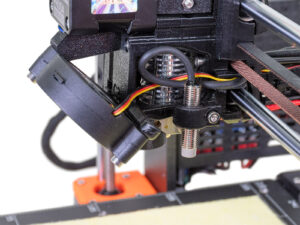
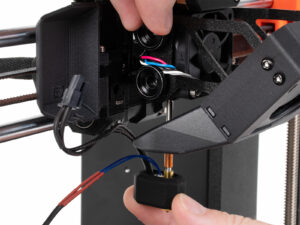
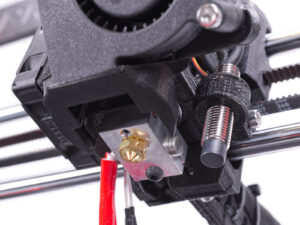
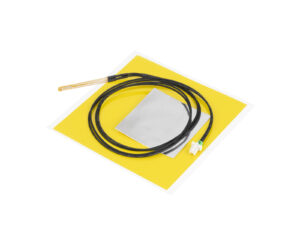
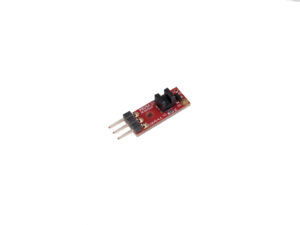
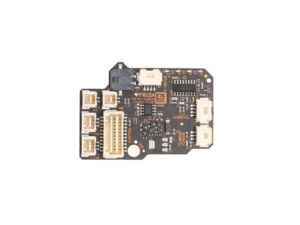
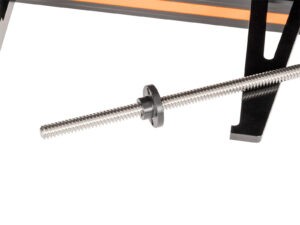
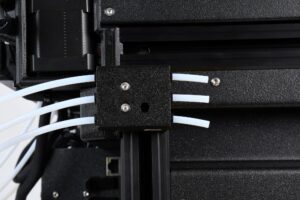
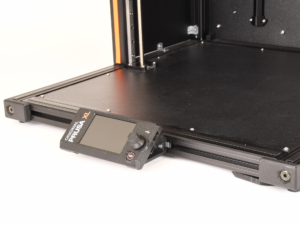
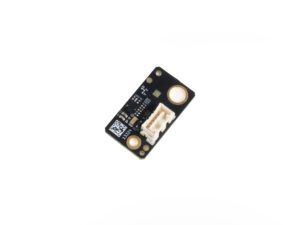
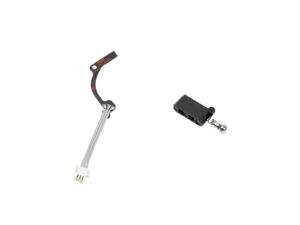
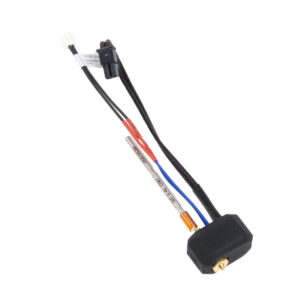
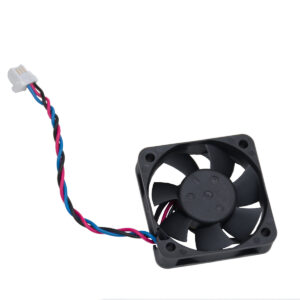
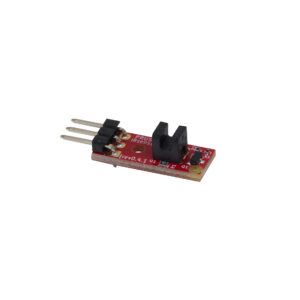
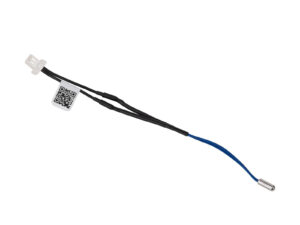
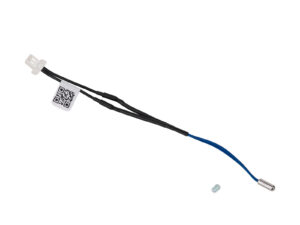
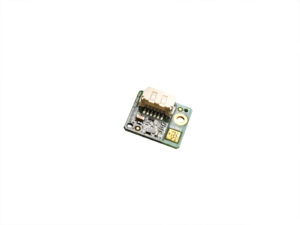
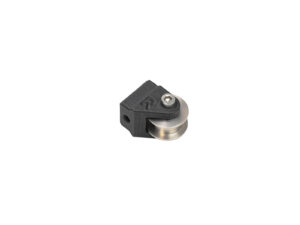
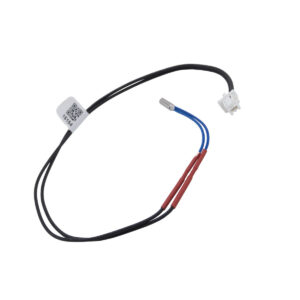
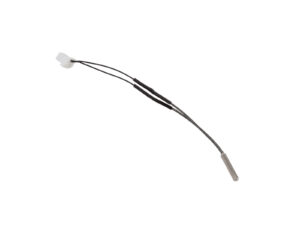
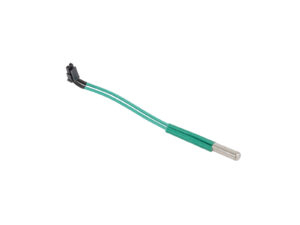
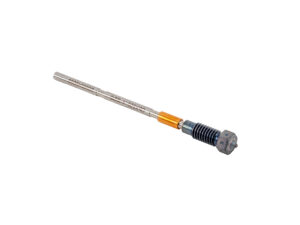
Updating the firmware is recommended for all users as every new version brings new features and fixes. To utilize the new SuperPINDA, your MK3S must at least have firmware version…
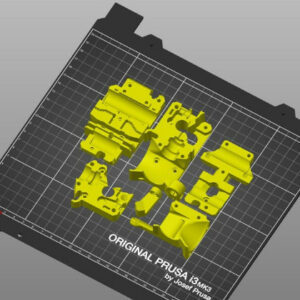
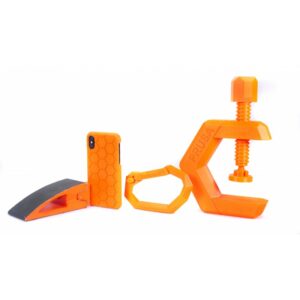
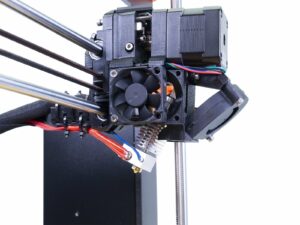
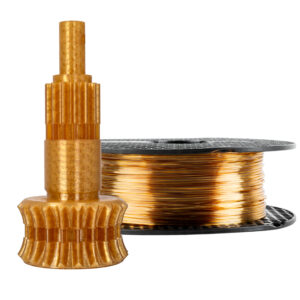
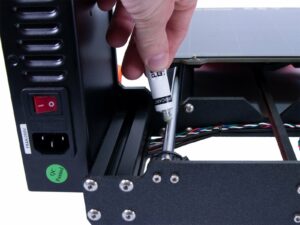
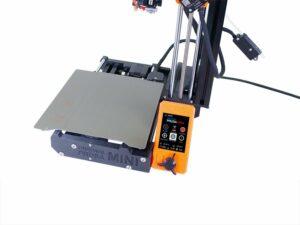
Plastic parts used on our 3D printers are printed by the same machines, holding on to the original idea of the RepRap project. If you want to print replacement parts or upgrades,…
Basic info PETG is one of the most easily printable materials, it is inexpensive and suitable for beginners. Relatively high tenacity and temperature resistance make it suitable…
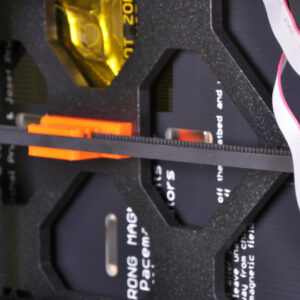
Loose belts would cause a printer to malfunction and prevent proper printing. It can cause Layer shifting, Ghosting, or other print abnormalities like getting an irregular shape…
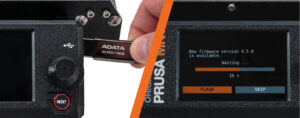
On the MINI you flash the firmware using a USB flash drive. Download the Zip file for the firmware and extract it on your computer. Copy the .bbf file in your chosen language…
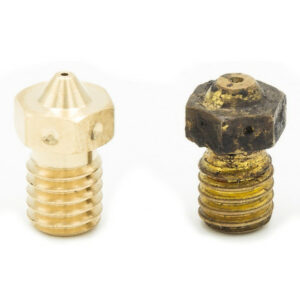
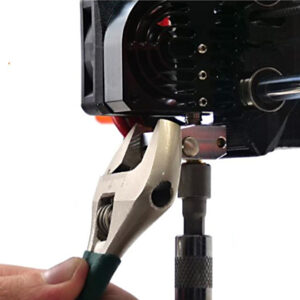
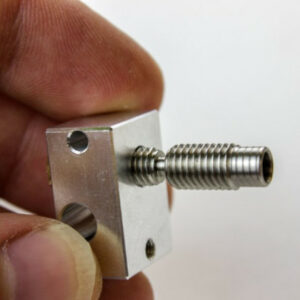
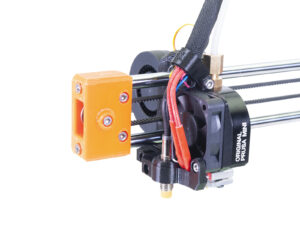
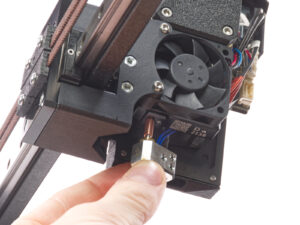
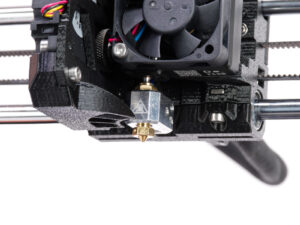
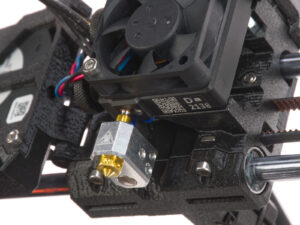
The Original Prusa MK2.5/S, MK3/S/+, and MK3.5/S use the E3D V6 Hotend. Any nozzle that is compatible with the E3D V6 Hotend can be installed on it. The stock nozzle that accompanies…
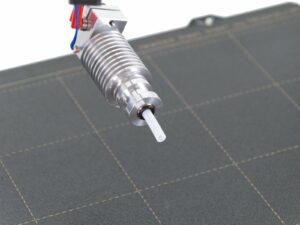
A 'cold pull' is a technique that allows you to clean your printer’s nozzle and hotend from any material that may be stuck or burnt inside. You can also use it to clean your hotend…
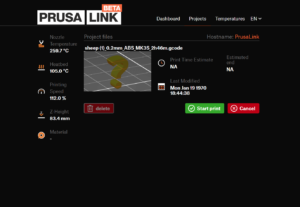
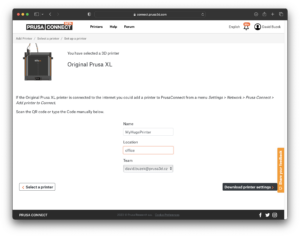
Prusa Connect and PrusaLink are two remote printing solutions developed in-house by Prusa. Its origin is in the management system used in our record-sized print farm located in…
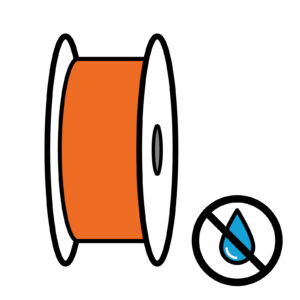
The materials used for FFF 3D printing are mostly hygroscopic. This means that they readily attract water molecules from the environment they are in. When used for printing, a…
Basic info ASA is a technical material suitable for outdoor use, due to its high UV light and temperature resistance. Unlike other materials that are soluble in more dangerous…
On the Prusa CORE One L, Prusa CORE One, Original Prusa MK4/S, MK3.9/S, MK3.5/S, and XL, the firmware is flashed using a USB flash drive. This is valid for all ways of firmware…
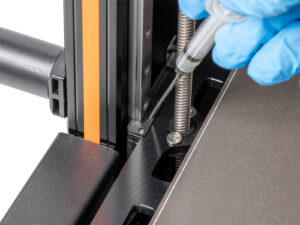
It is recommended to regularly take some time to maintain your printer. This should be done even if the printer is working perfectly. The inspection and maintenance of its various…
Basic info Flexible materials are characterized by their excellent flexibility, tenacity, and chemical resistance. These materials are relatively uncommon, expensive, and suitable…
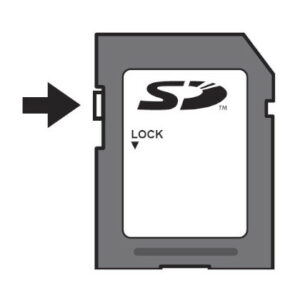
As there are ways of remotely transferring files and starting prints, an SD card or USB flash drive is the most common and reliable way to get your files to your machine. Though…
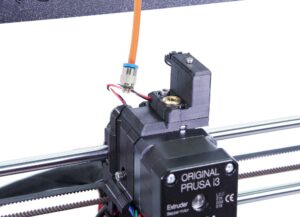
In case there is a clog in your hotend, the filament might grind against the Bondtech-gears and be damaged enough so it can't be unloaded. It might snap right above the PTFE-tube…
Basic info Polycarbonate (PC) is a technical material with great tenacity, tensile strength, and heat resistance. However, it’s very hard to print, therefore suitable mainly for…
This article will guide you through the replacement of the nozzle on your Original Prusa MINI printer. Note that this requires you to have some tools available and also be careful…
Basic info PLA is one of the easiest materials to print. It is inexpensive and suitable (not only) for beginners. It’s usually used for printing detailed models, figures, and…
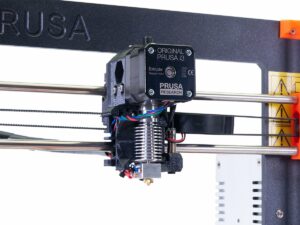
Basic info Due to its high tenacity and temperature resistance, ABS is a technical material suitable for printing mechanically stressed parts. Its surface can be smoothed with…
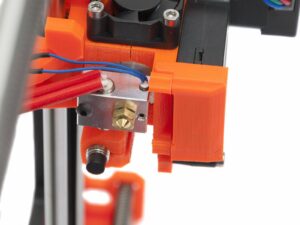
It is recommended to take some time to maintain your Original Prusa MINI/+ regularly. This should be done even if the printer is working perfectly. Clean the sheet If the printed…
ATTENTION: This article is obsolete and no longer maintained. Please update your MINI/MINI+ to the latest available firmware and then use newer web user interface PrusaLink. Starting…
Creating a brand new 3D model from scratch can be a little daunting if you have no prior experience. However, at some point, you will probably run out of pre-made 3D models to…
Basic info Polyamide (Nylon) is a versatile material with excellent thermal and mechanical resistance. It is suitable for printing functional technical parts with high temperature…
A cold pull is a technique used to clear the printer’s hotend and nozzle of possible obstructions such as filament and other debris. It is also recommended to be part of the regular…
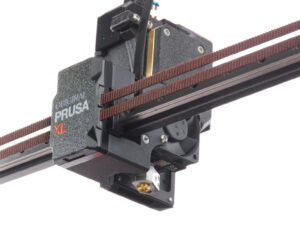
On the Original Prusa XL, adjusting the belt to the optimal tension is crucial to achieving good quality on the prints. A loose belt can cause Layer shifting, Ghosting, or other…
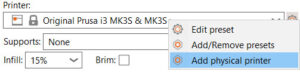
PrusaSlicer separates the printer connection settings from the Printer profile into a Physical printer profile. Using PrusaConnect through the Physical Printer settings is supported,…
Loose belts would cause a printer malfunction and prevent proper printing. The easiest way to check is printing a round object - if any of the belts are not tightened properly…
The 'cold pull' technique allows you to clean your printer’s nozzle and hotend from any material that may be stuck or burnt inside. You can also use it to clean your hotend during…
This guide is for the E3D V6 Hotend on the MK-series. NOT FOR THE PRUSA MINI! You can find the complete E3Ds assembly manual of the V6 hotend, which can be followed backward for…
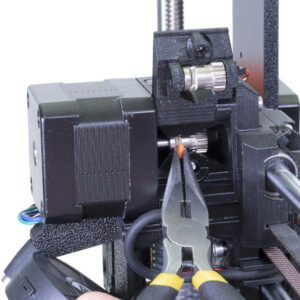
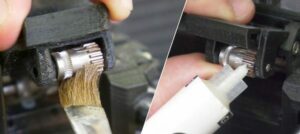
The Bondtech gears have a lot of pulling force. They might seem secure, but unless properly tightened, on the flat side of the motor's shaft, they can come loose and remain stationary…
Basic info Composite materials (PC, PETG, Polyamide, PP, or other materials filled with carbon, glass, etc.) usually have different mechanical properties than unaltered filaments.…
The best way to get started with 3D printing is to find pre-made models on the internet - they should be in the .stl, .obj or .3mf format to be used with PrusaSlicer. Fortunately,…
Basic info HIPS is a relatively soft material suitable for printing large objects or supports for large models printed from PETG, for example. It has good print surface adhesion…
Basic info Polypropylene (PP) is a lightweight material resistant to chemicals and is commonly used for storage and packing in the food processing industry. It’s usable for printing…
It is recommended to take some time to maintain your Original Prusa MK4/S and MK3.9/S regularly. This should be done even if the printer is working perfectly. Useful tools Besides…
Basic info Polyvinyl butyral (PVB) is a material designed for easy smoothing with isopropyl alcohol (IPA). Thanks to its transparency, it’s suitable for printing vases, lamp shades…
When updating from the 1.0.6 to the 3.0.0 firmware version or above, go in LCD menu - Settings - MMU, and set it to ON. Updating the firmware is recommended for all users as every…
Modeling for 3D printing presents several interesting challenges. FFF (Fused Filament Fabrication) with its layer-by-layer manufacturing process, the orientation and geometry can…
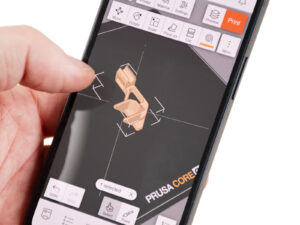
Our Prusa app offers the option of using Prusa Connect from your smartphone. The app includes observational features for printers and teams, a basic direct print option, working…
Basic info BVOH and PVA are special water-soluble materials used mainly for printing supports. The model itself is printed from standard materials, like PLA, and the BVOH or PVA…
This will be covered more extensively in the near future, but for now, we want to give you a quick overview on how to use some of the amazing new features available in PrusaSlicer.…
Basic info CPE is a material suitable for prototyping various mechanical parts. Its mechanical and printing qualities are similar to PETG. CPE has good chemical resistance, layer…
What happened? During the configuration of Prusa Connect on the Original Prusa MINI/+, MK4/S, MK3.9/S, MK3.5/S or XL an error on this configuration can occur and the printer shows…
Basic info NGEN is a material similar to PETG, but with better printability, high mechanical and chemical resistance, and a wide range of usage from prototypes and aesthetic models…
You’d be surprised how many 3D models you can find on the internet are broken in some way. Modern slicers are pretty good at repairing the models without you even noticing. However,…
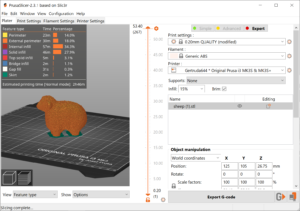
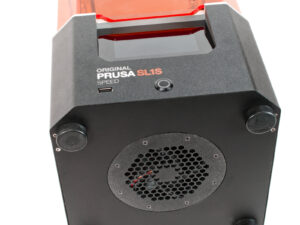
Both Original Prusa SL1 and SL1S SPEED have a growing library of resin print profiles in the PrusaSlicer, which were tested and verified by Prusa Research. However, the printers…
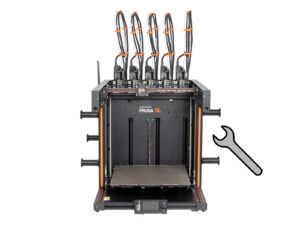
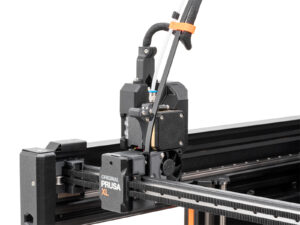
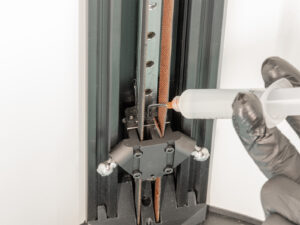
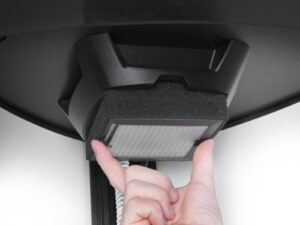
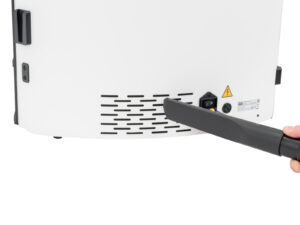
It is recommended to regularly take some time to maintain your Original Prusa XL. This should be done even if the printer is working perfectly. The inspection and maintenance of…
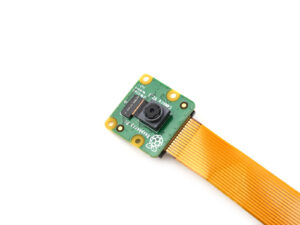
PrusaLink for Original Prusa MK2.5/S or MK3/S/+ printers is powered by an Raspberry Pi (RPi) board. A camera can be connected to it either using CSI or USB connection. Alternatively,…
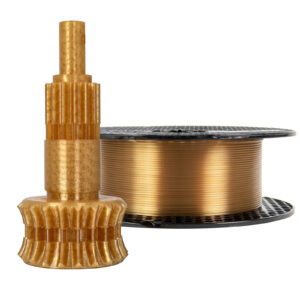
Basic info Composite materials filled with metal or wood powder are usually PLA or PETG filaments. The additives may give them special properties and attractive looks. They are…
Updating the firmware is recommended for all users as every new version brings new features and fixes. To flash the firmware onto your printer, you need: Computer running Windows,…
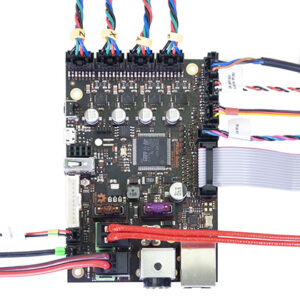
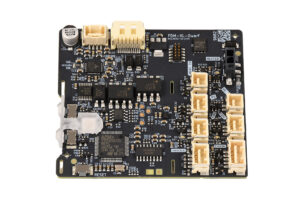
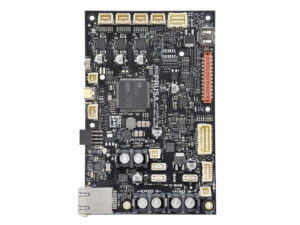
With the release of the Original Prusa MINI, we have again developed a new mainboard, which is a 32-bit platform. It still works on 24V and uses Trinamic drivers for motors, allowing…
Our brand new Original Prusa i3 MK3 comes with lots of new safety features. That makes printing a lot more reliable and safe. In this article, we will showcase how to properly…
Preparing .stl files and G-codes which are supposed to be printed in one material is a rather easy process. This process became quite tricky once we must cope with up to 5 materials.…
Thanks to the advanced operating system available on the Original Prusa SL1/SL1S SPEED printer, the user is able to transfer the sliced .sl1 or .sl1s files directly from the PrusaSlicer.…
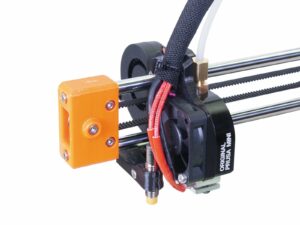
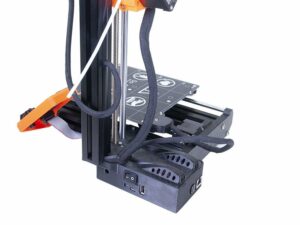
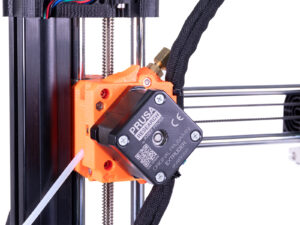
Your Original Prusa MINI and MINI+ printer may be causing some vibrations during use. In most cases, this will not cause any printing issues, however, we will show you how to minimize…
What is PTFE and where do I find it? Polytetrafluoroethylene (PTFE) is a synthetic material, similar to Teflon (and closely related to it). Thanks to their low friction coefficient,…
Prusa Connect's Open API allows for seamless integration of third-party cameras, allowing you to link your camera to the given printer in Prusa Connect to retrieve images (snapshots).…
Regular Printer Maintenance Although the Original Prusa SL1/SL1S has a number of smart sensors and has been carefully designed to be easy to use, it’s still a machine and requires…
Liquid resins are photosensitive materials used for printing on DLP, SLA and MSLA 3D printers. Resins are also known as photopolymers and they are cured (solidified) by UV light…
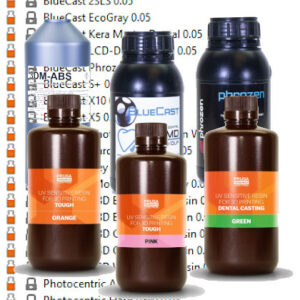
We have tested hundreds of resins before we released the SL1, and still are trying out different types, colors and brands. The table below is extracted from PrusaSlicer, per January…
Via the web interface called PrusaLink, you can monitor and control your Original Prusa SL1/SL1S over your local network. You will be able to: Upload project files. Start and…
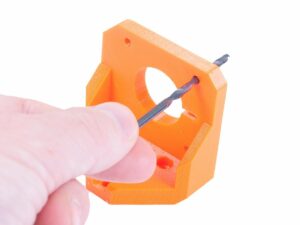
If you are trying to unscrew any of the screws in the printer, and the key keeps turning without releasing the screw, it means that the screw is stripped. You might wish to drill…
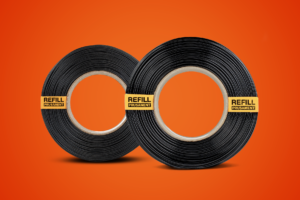
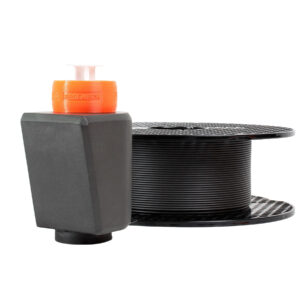
Prusament Refill is designed to fill up empty filament spools. Once you run out of filament, detach the black plastic sides of the spool and attach them to the Prusament Refill.…
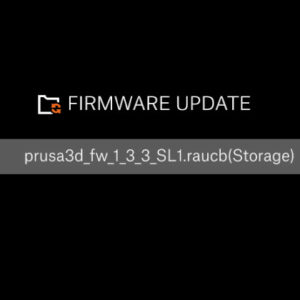
The Original Prusa SL1 has an update-server, which is checking for updates automatically. There is no need to do it manually, but this option is still possible. Starting from firmware…
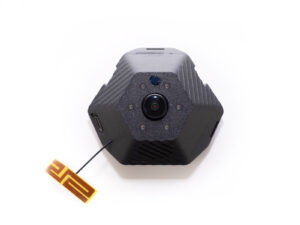
The Buddy3D camera features high-quality optics and IR illumination, allowing you to monitor your printer even in complete darkness. A USB-C connection can power the camera. The…
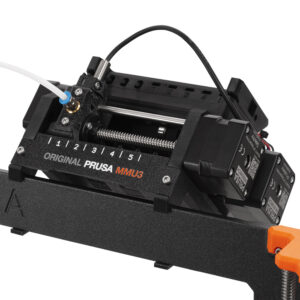
Regular maintenance is recommended for your Original Prusa MMU3 upgrade. Refer to the images below to familiarize yourself with the names of each part of the MMU3 unit. Idler…
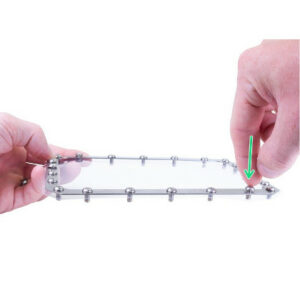
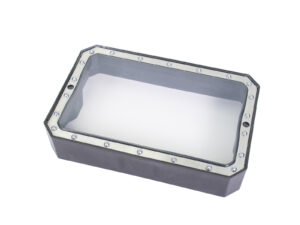
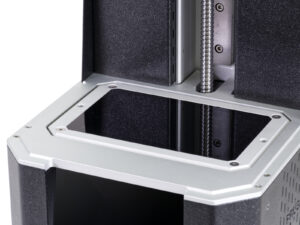
Please note: Every time you replace the FEP film, tighten the screws properly, but don’t use excessive force. Overtightening the screws may lead to issues with their removal, during…
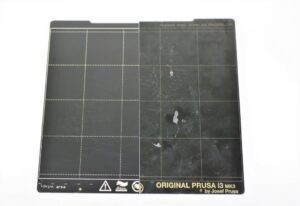
Before you start printing, you should know that various materials have different adhesions on various surfaces. It is crucial to pick the right steel sheet for your printer and…
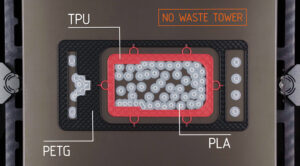
The Original Prusa XL can print true multi-material prints without the need for any purge or wipe tower. The purge tower is turned ON by default (when you are mixing materials…
What happened? During the configuration of Prusa Connect on the Original Prusa MINI/+, an error on this configuration can occur and the printer shows the message "Registration…
This article is intended for experienced users only! When using PrusaLink, you connect to your printer via its IP address, which is assigned to it by the DHCP server on your network.…
What happened? During the configuration of Prusa Connect on the Original Prusa XL, an error on this configuration can occur and the printer shows the message "Registration to…
For future reference, see the picture below and try to remember the name of each part of the MMU unit. You will find this information in your printed MMU handbook as well. Hobbed…
The firmware for each Original Prusa printer is currently translated into multiple languages and we would like to expand it further. We welcome everyone to join us and localize…
In this guide, we will show you what to do when your SL1 print is successfully finished and you want to remove it from the metal platform. When handling resins, always wear protective…
You’ve probably guessed it already but the PEI 1010 isn’t exactly a “plug and print” material like our basic Prusaments (PLA, PETG…). Although we do our best to make our filaments…
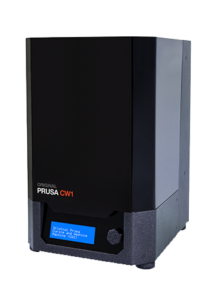
The Original Prusa Curing and Washing Machine (CW1/S) uses isopropyl alcohol (IPA) to wash the uncured resin around the print model before curing it. The resin usually leaves pigment…
Sometimes it is necessary to reinstall an older version of the firmware. The method to update the firmware only allows newer firmware versions to be flashed. To flash the same…
To ensure that the CW1 remains in proper working order, keep the device clean, and never leave the tank with isopropyl alcohol inside of the device when the machine is off / not…
Replacing the Prusa Nozzle on your printer varies depending on the model of your printer. This article provides an overview of the different methods to replace the Prusa Nozzle,…
When updating from the 1.0.6 to the 3.0.0 firmware version or above, go to LCD menu - Settings - MMU, and set it to ON. Updating the firmware is recommended for all users as every…
This article is intended for experienced users only! During the regular RPi + PrusaLink operation, there should be no need to set up and use SSH. Since we develop neither Raspberry…
The Original Prusa Enclosure has side panels made of PETG. See below some maintenance tips for the sheets. Cleaning The PETG sheets in your enclosure can be cleaned by washing…
If you're using the HueForge program, you might find these values useful. The HueForge transparency (TD) and HexCode values are measured for all of our Prusament materials and…
The Original Prusa Enclosure can have as an add-on a Self-contained tube-style BlazeCut Fire Suppression System. The system operates automatically and independently of any power…
When printing various resins, you may notice a more or less significant yellowing effect after curing your models. This affects most MSLA materials, including all of our Prusament…
Replacing the Nextruder Hotend assembly on your printer may differ depending on the specific model you own. This article outlines various approaches for replacing the Nextruder…
What happened? During the configuration of Prusa Connect on the Original Prusa MK3.5, an error on this configuration can occur and the printer shows the message "Registration…
PPS or Polyphenylene sulfide is a semi-crystalline technical thermoplastic material suitable for 3D printing characterized by high resistance to heat and chemicals. The main characteristic…
Introduction In this article, you will learn everything you need to know when mixing resin colors using the Prusament Model Resin Color Kit - either with the help of the Sample…
Basic info Ultem, also known as PEI (Polyetherimide), is a high-performance thermoplastic material ideal for 3D printing. Its extreme resistance to heat and chemicals makes it…
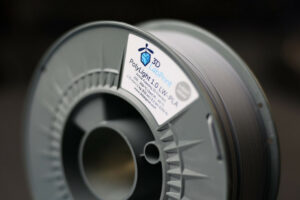
Basic info LW PLA is a filament that can expand during printing. It is useful for parts that need to be light. Recommended nozzle temperature: 210 - 250 ºC. Recommended bed…
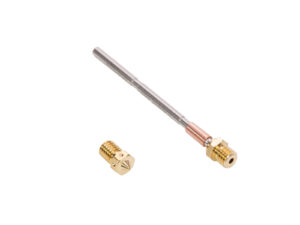
The Prusa PRO HT90 uses quick-swap REVO nozzles. To change a nozzle, go to More -> Nozzle change in the printer menu. If the nozzle is too hot at this point, you will be presented…
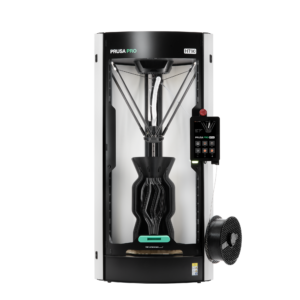
The Prusa Pro HT90 supports two print head configurations. The default high flow print head handles materials up to 300°C. For industrial materials like PEI, PEKK, and PEEK, use…
PEEK-CF is an advanced thermoplastic filament with excellent mechanical properties and high-temperature resistance. This material is based on polyetheretherketone (PEEK) with added…
Starting from firmware 1.8.0, the Original Prusa SL1/S can be added to Prusa Connect. There are three ways to do it. Touchscreen GUI on the printer Go to the printer menu to Settings…
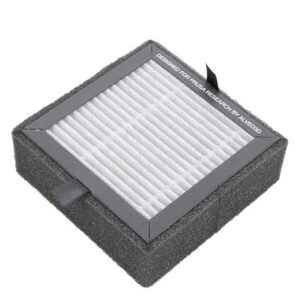
The Prusa Pro HT90 has a HEPA filter in the upper part of the printer through which air passes from the printer into the room. The filter needs to be replaced every 600 print hours.…
The Prusa Pro HT90 has firmware installed during production. It is possible to update the firmware in three ways. Menu update Connect the printer to the internet network. Then…
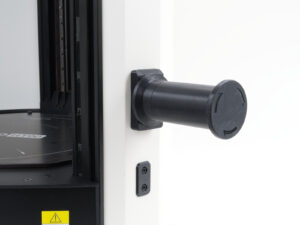
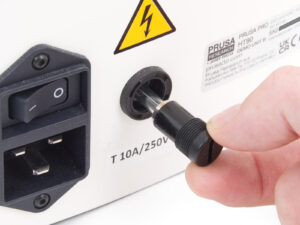
The Prusa Pro HT90 is engineered for maximum efficiency and reliability. However, it is still a mechanical device with components that require regular maintenance. Follow the guidelines…
PSU, or Polysulfone, is a technical thermoplastic material with an excellent combination of properties that make it suitable for various applications including 3D printing. Its…
The Nextruder V6 Nozzle Adapter enables the use of V6-compatible nozzles on printers equipped with the Nextruder. Installing the Nextruder V6 Nozzle Adapter on your printer varies…
PEKK-CF is an advanced thermoplastic filament combining excellent mechanical properties, high-temperature resistance, and chemical stability. This material is based on polyetherketoneketone…
PPSU (polyphenylsulfone) is a technical thermoplastic material with excellent resistance to heat and chemicals and superior hydrolytic stability. The main characteristic of this…
It is possible to connect your Prusa Pro HT90 to PrusaConnect in order to print and monitor your printer remotely. Connecting Go to the printer menu to More -> Settings -> Prusa…
What happened? During the configuration of Prusa Connect on the Original Prusa MK3.9, an error on this configuration can occur and the printer shows the message "Registration…
On the Prusa CORE One, CORE One+, and CORE One L, adjusting the belt to the optimal tension is crucial to achieving good quality on the prints. A loose belt can cause Layer shifting,…
It is recommended to regularly take some time to maintain your Prusa CORE One regularly. This should be done even if the printer is working perfectly. Useful tools Besides the…
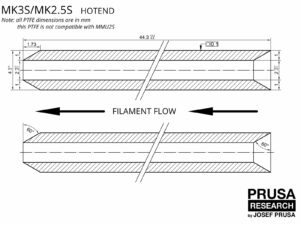
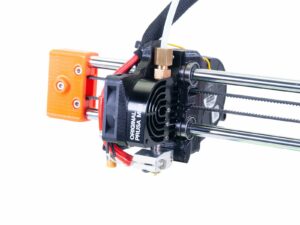
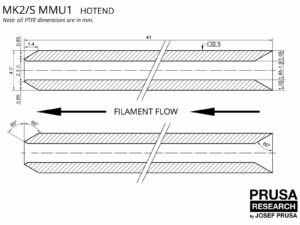
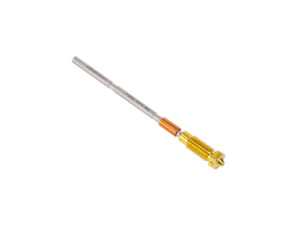
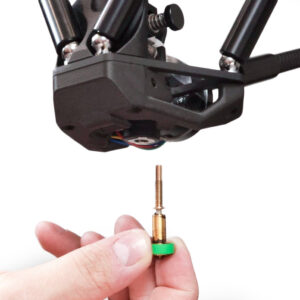
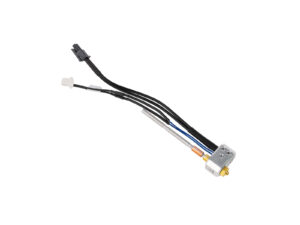
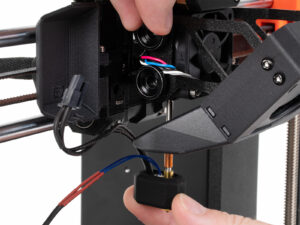
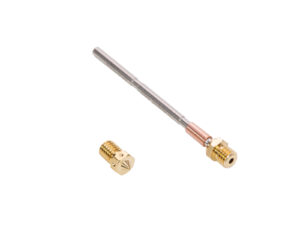
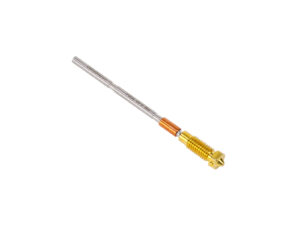
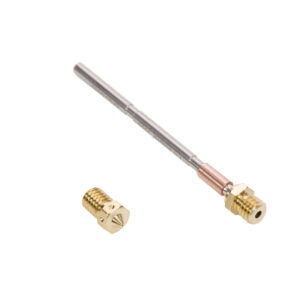
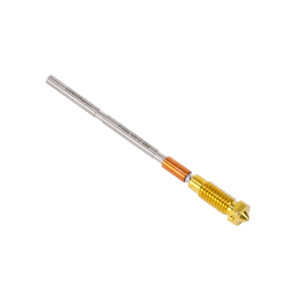
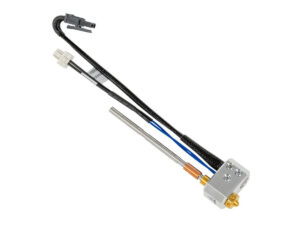
Since 6/2025, the hotend for MK3 series printers comes as a universal package consisting of a hotend with pre-installed PTFE Tube compatible with MK3S+ or MK3.5/S printers, and…
Prusament TPU 95A is a flexible material with high mechanical resistance and print reliability. Although it’s one of the easiest flexible materials to print, it still requires…
What happened? The Prusa CORE One, and the Original Prusa MK4/S, MK3.9/S, MK3.5/S can be equipped with an MMU3 upgrade kit. Having the MMU3 upgrade kit installed significantly…
What happened? The Original Prusa MK3.5/S can be equipped with an MMU3 upgrade kit. Having the MMU3 upgrade kit installed significantly increases the number of loads and unloads. After…
What happened? The Prusa CORE One and the Original Prusa MK4/S and MK3.9/S can be equipped with an MMU3 upgrade kit. Having the MMU3 upgrade kit installed significantly increases…
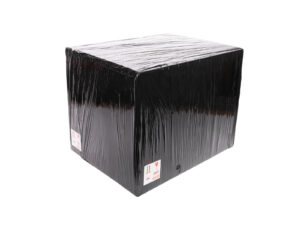
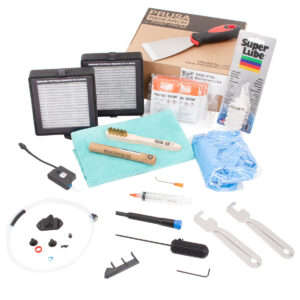
Regular maintenance is key to ensuring long-term reliability, high-quality prints, and trouble-free operation of your Prusa Pro HT90. A dedicated Maintenance Kit for HT90 is available,…
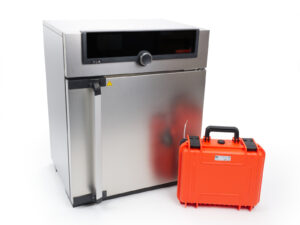
Drying filament before printing is a critical step when working with high-performance materials. The Memmert UF-series ovens offer precise temperature control, active ventilation,…
A 'cold pull' is a technique for cleaning your printer’s nozzle and hotend from any material that may be stuck or burnt inside. You can also use it to clean your hotend during…
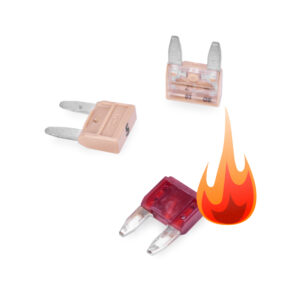
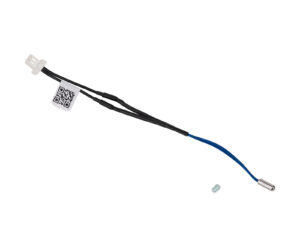
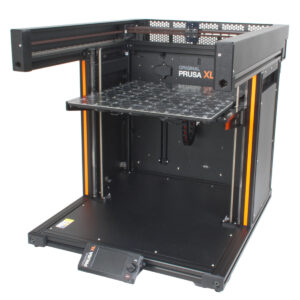
The Original Prusa XL electronics are equipped with fuses to protect crucial components. If your printer or some of its components suddenly stop working, it is recommended to…