Relevantní pro


Prusament PETG Tungsten 75% je materiál s vysokou hustotou obsahující 75 % wolframového prášku. Tento nereaktivní, hypoalergenní a netoxický filament je primárně určen pro tisk komponent určených ke stínění radiace a představuje jednodušší a rychlejší alternativu k tradičním metodám obrábění kovů.
PETG Tungsten 75% je technický materiál určený pro specializované lékařské a průmyslové aplikace. Díky vysokému obsahu kovu umožňuje 3D tisk složitých, individualizovaných komponent určených ke stínění radiace s nižšími náklady a menší náročností než při tradiční výrobě.
Tungsten, známý také jako Wolfram (chemická značka W, protonové číslo 74), je jedním z nejtěžších kovů v periodické tabulce prvků. Se svou hustotou přibližně 19 gramů na centimetr krychlový je srovnatelný se zlatem a je přibližně 1,7krát hustší než olovo (chemická značka Pb, protonové číslo 82). Díky svému protonovému číslu lze wolfram využít v různých aplikacích, například jako materiál pro stínění rentgenového a gama záření. Jedná se o převážně nereaktivní prvek, který nereaguje s vodou, kyslíkem ani se vzduchem při pokojové teplotě. Na rozdíl od olova je wolfram hypoalergenní a netoxický, takže je zcela vhodný pro lékařské použití.
Materiály s takto vysokou hustotou se obecně velmi obtížně obrábějí, mohou být velmi drahé nebo dokonce toxické. Vlastnosti těchto materiálů činí klasické výrobní metody nežádoucími. Aditivní výroba nabízí možnost vytvářet složité a individualizované stínicí komponenty snadněji a v některých případech s nižšími náklady.
Protože je plastová matrice založena na PETG, materiál vykazuje vynikající přilnavost vrstev, minimální deformace při tisku a nízkou tepelnou roztažnost. Kvůli vysokému obsahu kovové složky však nemá prakticky žádnou pružnost a ve srovnání s čistými polymery vykazuje nízkou celkovou houževnatost. Jeho vysoká hustota také znamená, že cívka o hmotnosti 1 kg obsahuje výrazně méně metrů filamentu než standardní cívka.
Pamatujte, že jakékoli problémy s tiskárnou mohou výrazně snížit vlastnosti stínění proti záření. Nezapomeňte tiskárnu správně vyčistit a zkalibrovat. Doporučujeme tiskárnu otestovat pomocí našeho kalibračního objektu.
Vezměte prosím na vědomí, že standardní tiskový profil pro tento materiál není v PrusaSliceru předinstalován. Pro zajištění bezproblémového tisku si stáhněte vlastní konfigurační balíček pro svou tiskárnu prostřednictvím našich oficiálních kanálů nebo se obraťte přímo na zákaznickou podporu ohledně konkrétních konfigurací tiskáren.
Pro porovnání vlastností podporovaných materiálů se podívejte do naší tabulky materiálů.
|
Klady |
Zápory |
|---|---|
|
✔ Materiál stínící radiaci |
✖ Pro použití je nutná tryska z tvrzené oceli |
|
✔ Netoxický, nereaktivní a hypoalergenní |
✖ Materiál s vysokou hustotou (méně metrů |
|
✔ Dobrá chemická odolnost |
✖ Vyšší cena kvůli speciální kovové složce |
|
✔ Nízká míra deformací a vynikající přilnavost vrstev |
✖ Nižší houževnatost ve srovnání s Prusament PETG |
| ✔ Atraktivní kovově šedý povrch |
✖ Není vhodný pro laserové spékání |
| ✔ Snadné následné zpracování (lze leštit stejně jako jiné materiály s příměsí kovu) |
Prusament PETG Tungsten 75% se používá především v lékařském a diagnostickém sektoru. Je ideální pro stínění radiofarmak, zakázkově navržené kolimátory gama kamer, přizpůsobené stínicí kryty a tvorbu testovacích nástrojů pro diagnostická radiologická zařízení.
Nastavení teploty a chlazení
Na rozdíl od běžného PETG se během tisku nedoporučuje aktivní chlazení. Vypnutí ventilátoru zajišťuje maximální soudržnost vrstev a zabraňuje strukturálním slabinám, takže hustý materiál zůstává pevně spojený pro konzistentní radiační bariéry.
Příprava tiskové plochy
Ujistěte se, že je tisková plocha čistá, jak je popsáno v našem samostatném článku. Doporučuje se tisk na saténový nebo texturovaný (TXT) ocelový tiskový plát očištěný isopropylalkoholem. Netiskněte přímo na hladký PEI plát, protože silná adheze může poškodit povrch podložky. Pokud je hladký PEI plát jedinou možností, použijte předem vrstvu tyčinkového lepidla jako separační vrstvu.
Abrazivita a volba trysky
Mějte na paměti, že wolfram je extrémně abrazivní materiál. Použijte trysku z tvrzené oceli nebo jinou odolnou proti opotřebení. Standardní mosazné komponenty se okamžitě deformují, což zničí přesnost tisku a stabilitu průtoku.
Tisky z PETG Tungsten lze poměrně snadno dodatečně upravovat. Podporuje jednoduché suché i mokré broušení pro vyhlazení povrchu a materiál umožňuje i dosažení leštěného vzhledu, pokud je potřeba.
Rozpouštění PETG Tungsten
Rozpouštění a chemické vyhlazování není pro obecné použití nativně podporováno a standardní chemická rozpouštědla s touto kompozicí nereagují. Nepoužívejte neschválená laboratorní rozpouštědla bez odborného dohledu.
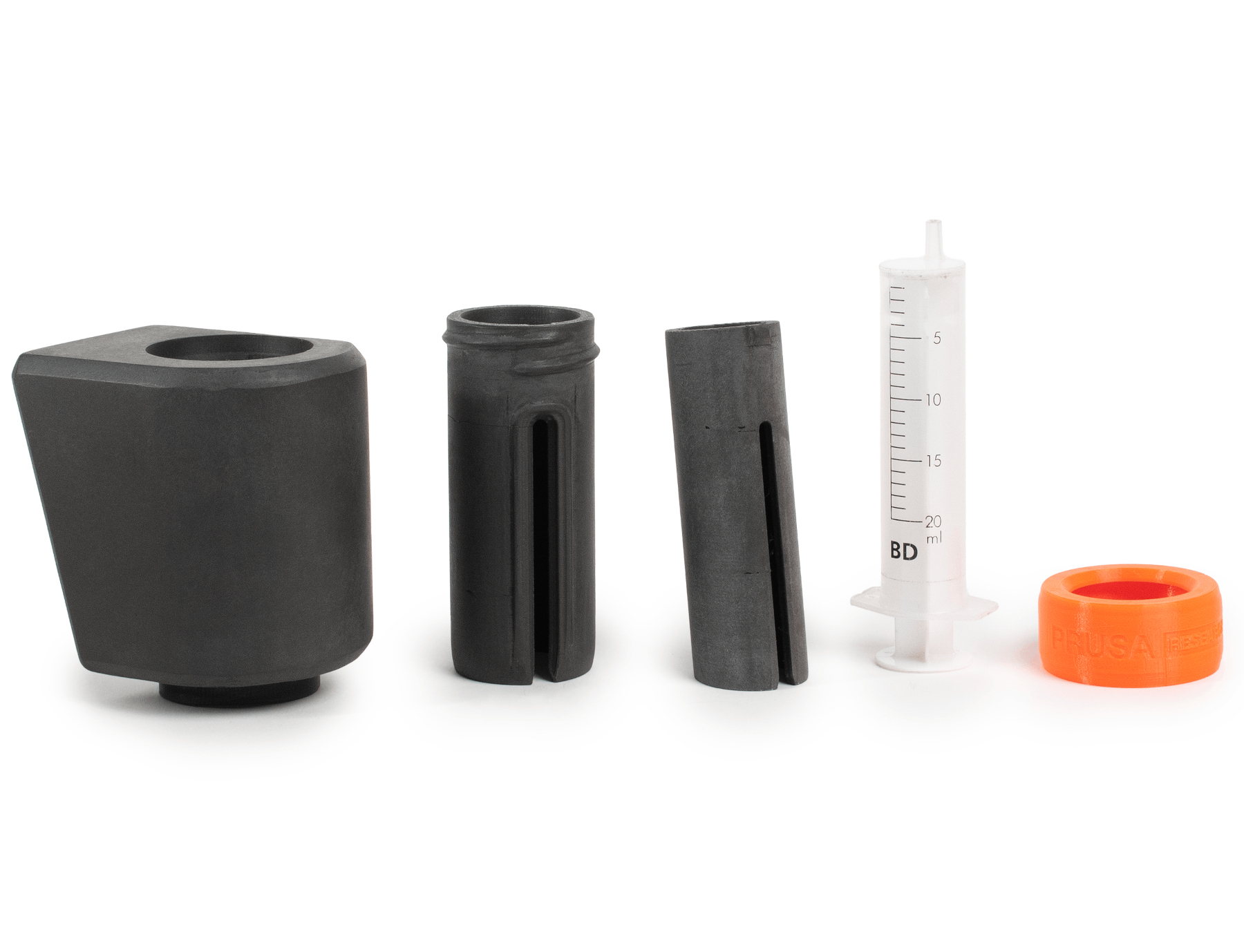 | 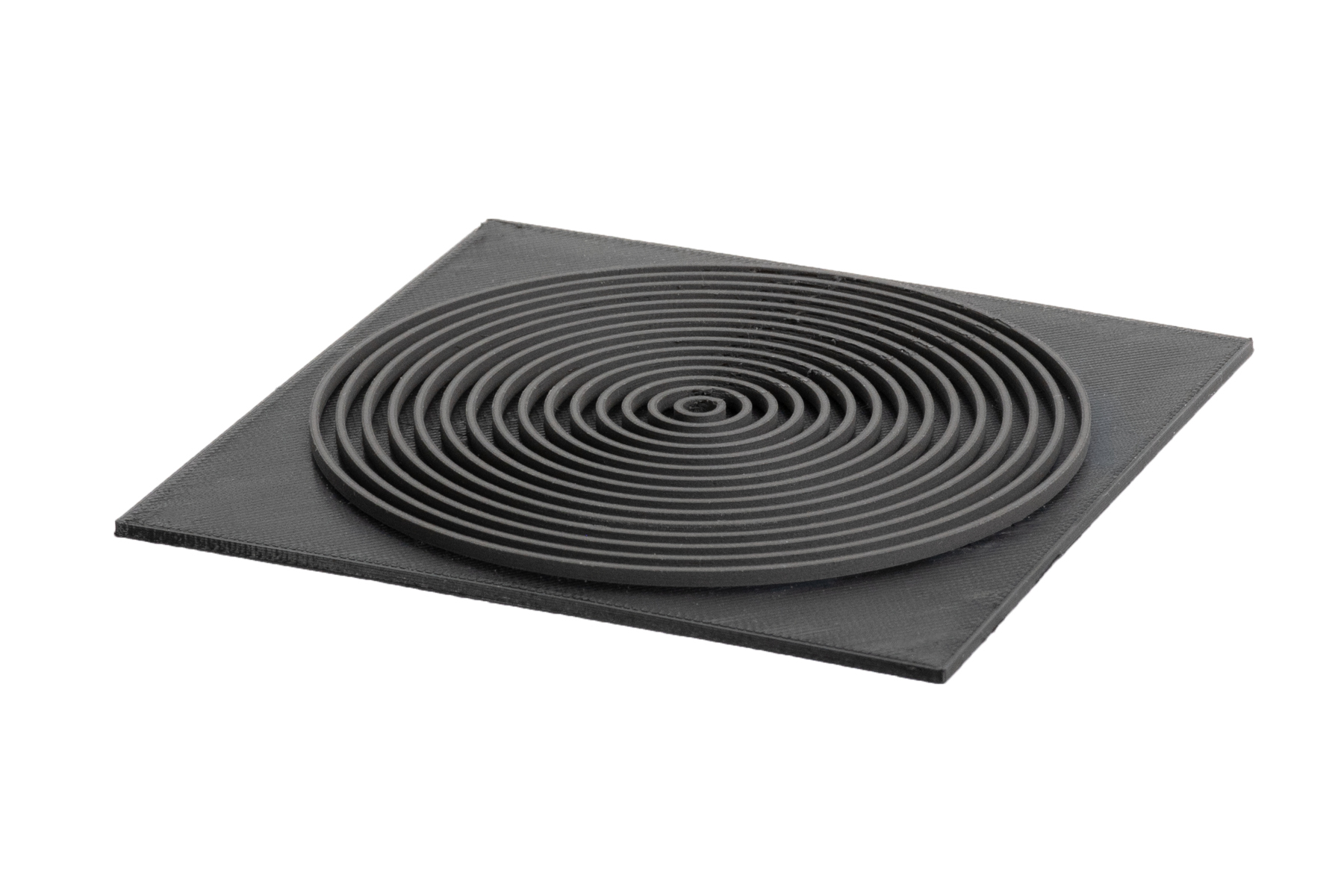 |
| Stínění pro radiofarmaka | Testovací nástroj pro diagnostická radiologická zařízení |
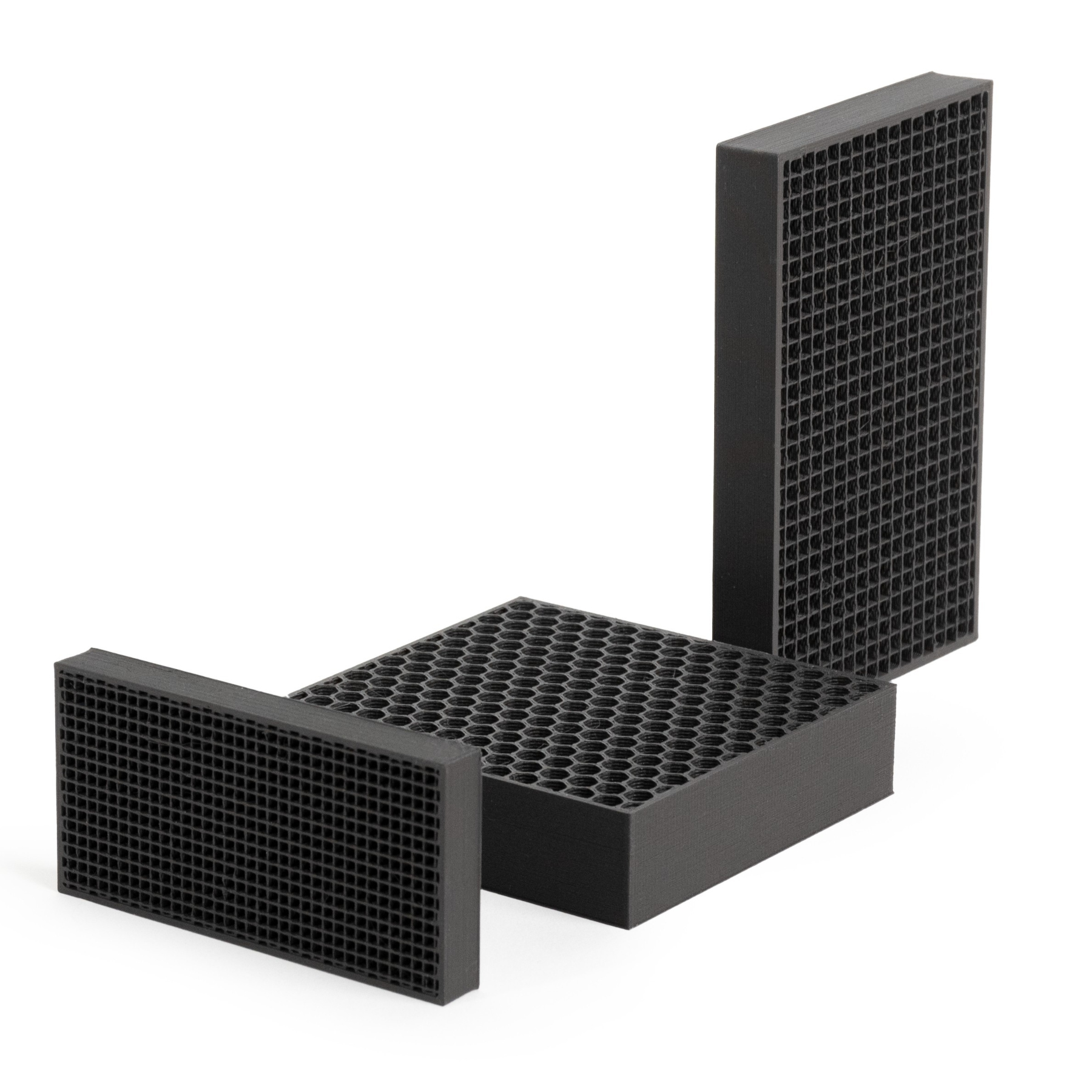 | 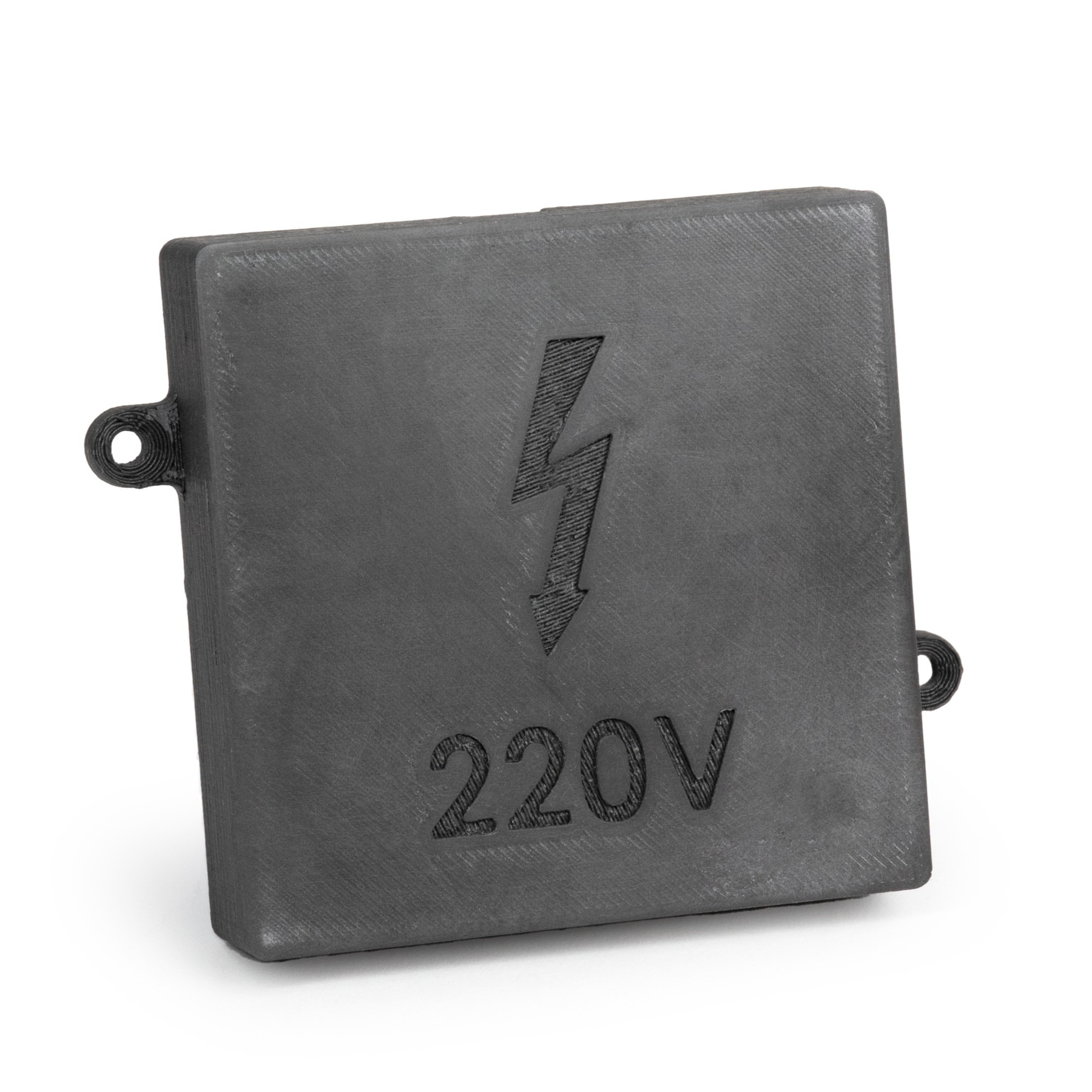 |
| Kolimátory pro gama kamery na míru | Stínící kryt na míru |